END-TO-END SOLUTION
Translational Immune Research
Decode the Adaptive Immune Repertoire. Transform TCR/BCR sequencing into clinical insights.
Track clonal dynamics, discover predictive biomarkers, and evaluate therapy responses in one unified ecosystem.
The challenges of
Translational Immune Research
Biological noise vs. signal
Isolating true antigen-specific signals—such as converging functional motifs—from millions of background T-cell and B-cell receptors is computationally daunting.
Sample variability
Comparing repertoires across clinical cohorts is complicated by varying sequencing depths. Without rigorous statistical normalization, comparative insights are fundamentally flawed.
Longitudinal tracking
Monitoring minimal residual disease (MRD) or therapy responses requires tracking specific clonotypes across timepoints—a process that easily breaks down in disjointed spreadsheets.
The "Black Box" problem
Translational research demands absolute data provenance. Black-box algorithms make it nearly impossible to trace identified biomarkers back to raw reads for validation.
From raw receptors
to clinical biomarkers
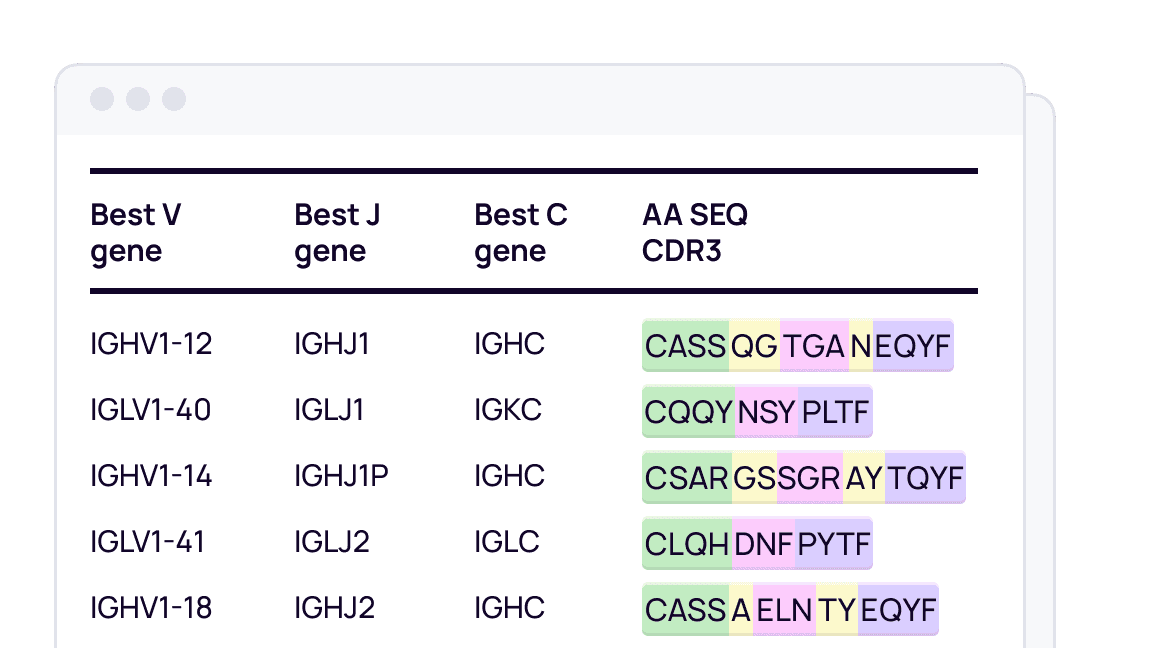
Platforma replaces disjointed pipelines with a governed ecosystem built for deep immune profiling. Powered by the industry-standard MiXCR engine, we provide the statistical rigor and longitudinal tracking needed to move from raw TCR/BCR reads to validated clinical biomarkers.
Key capabilities
Diversity & clonality metrics
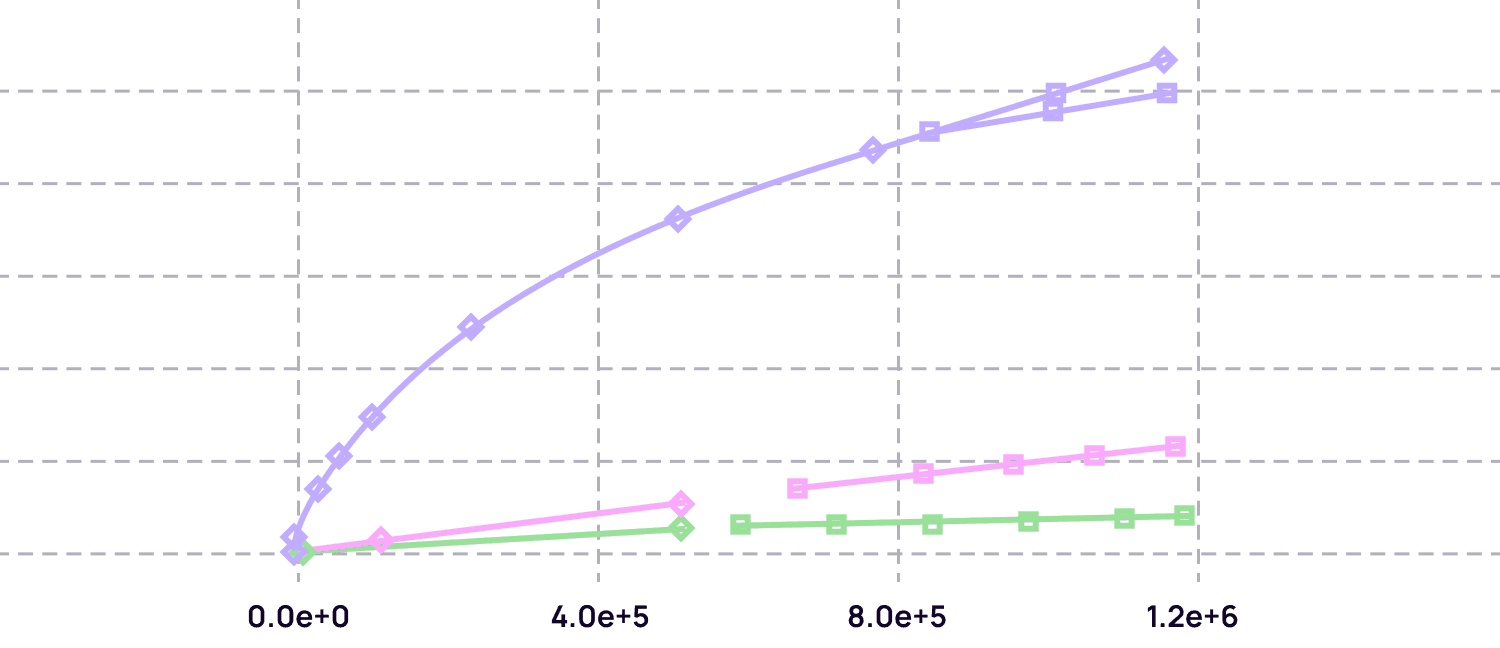
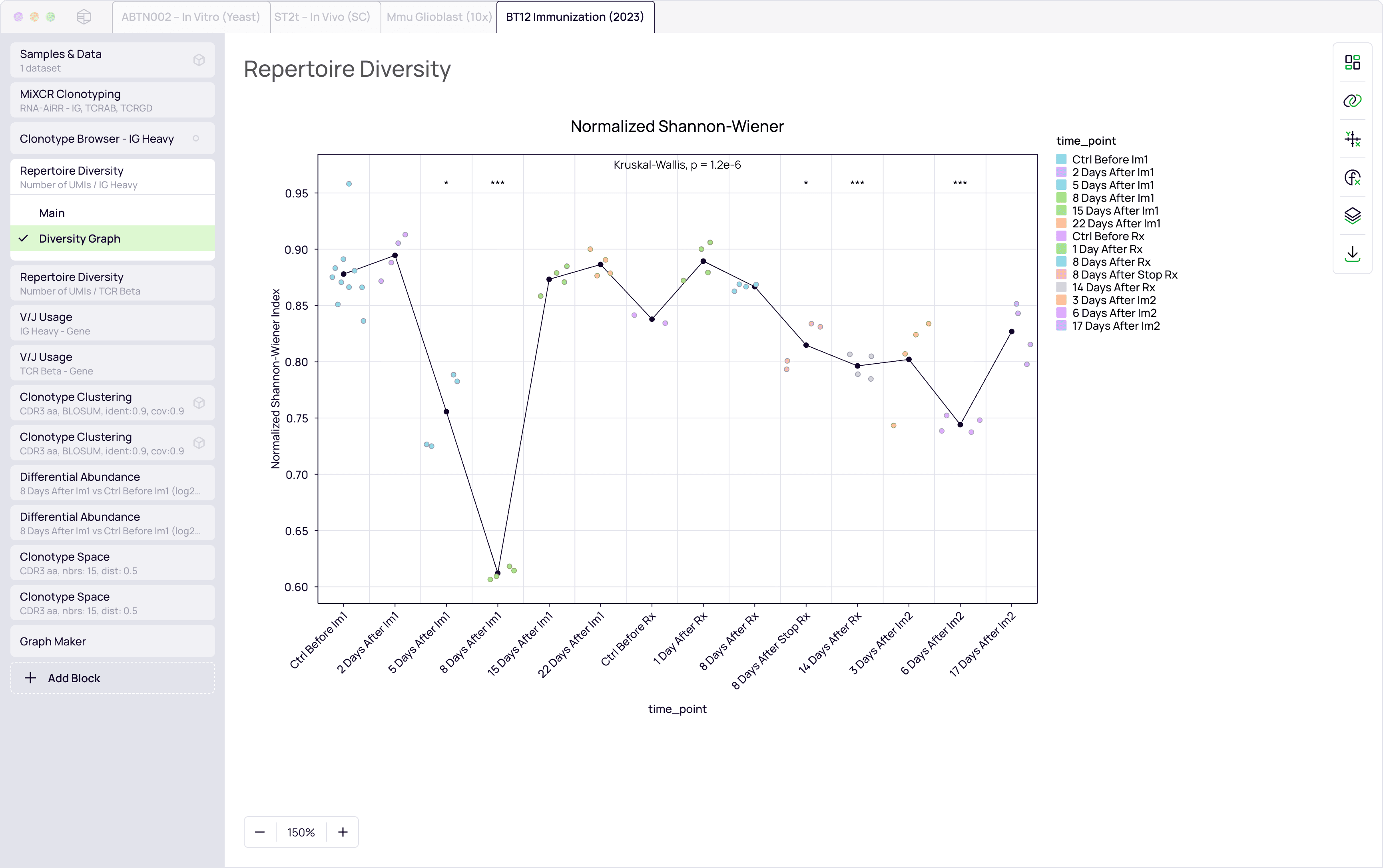
Quantify the overall health and expansion state of the immune repertoire. Instantly calculate comprehensive ecological metrics, including Shannon-Wiener, Chao1, and Gini Index.
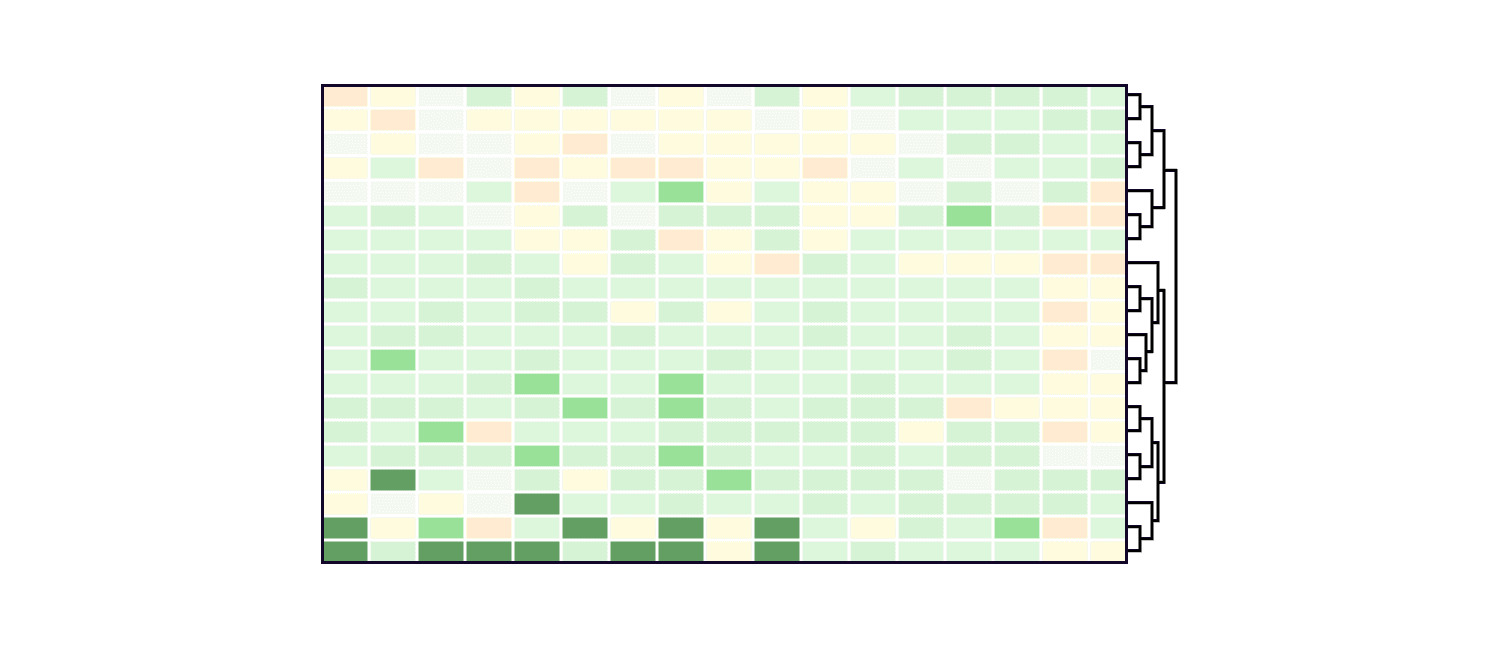
Differential clonotype abundance
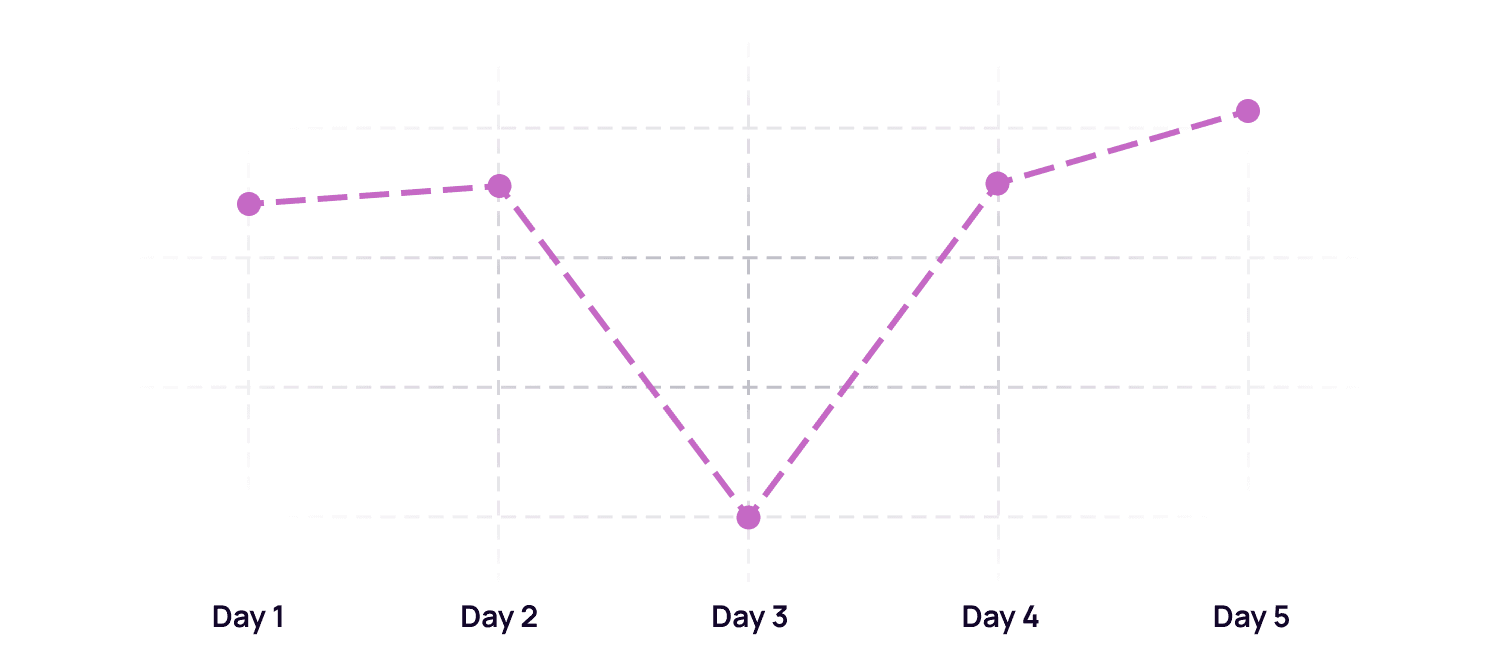
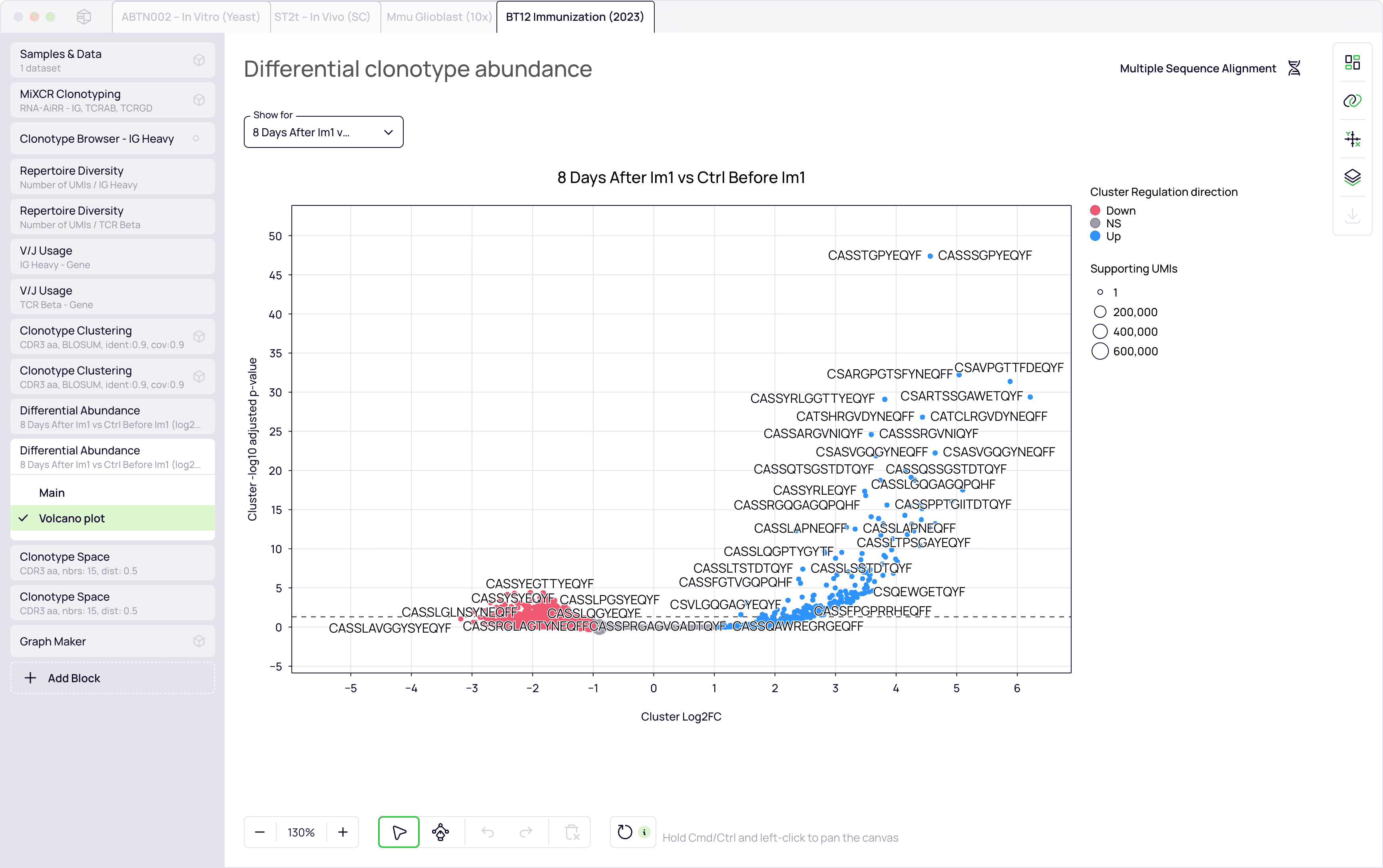
Identify specific T-cell or B-cell clones significantly expanded or contracted between clinical conditions. Utilize robust statistical frameworks to pinpoint the precise receptor subsets driving therapeutic response or disease progression.
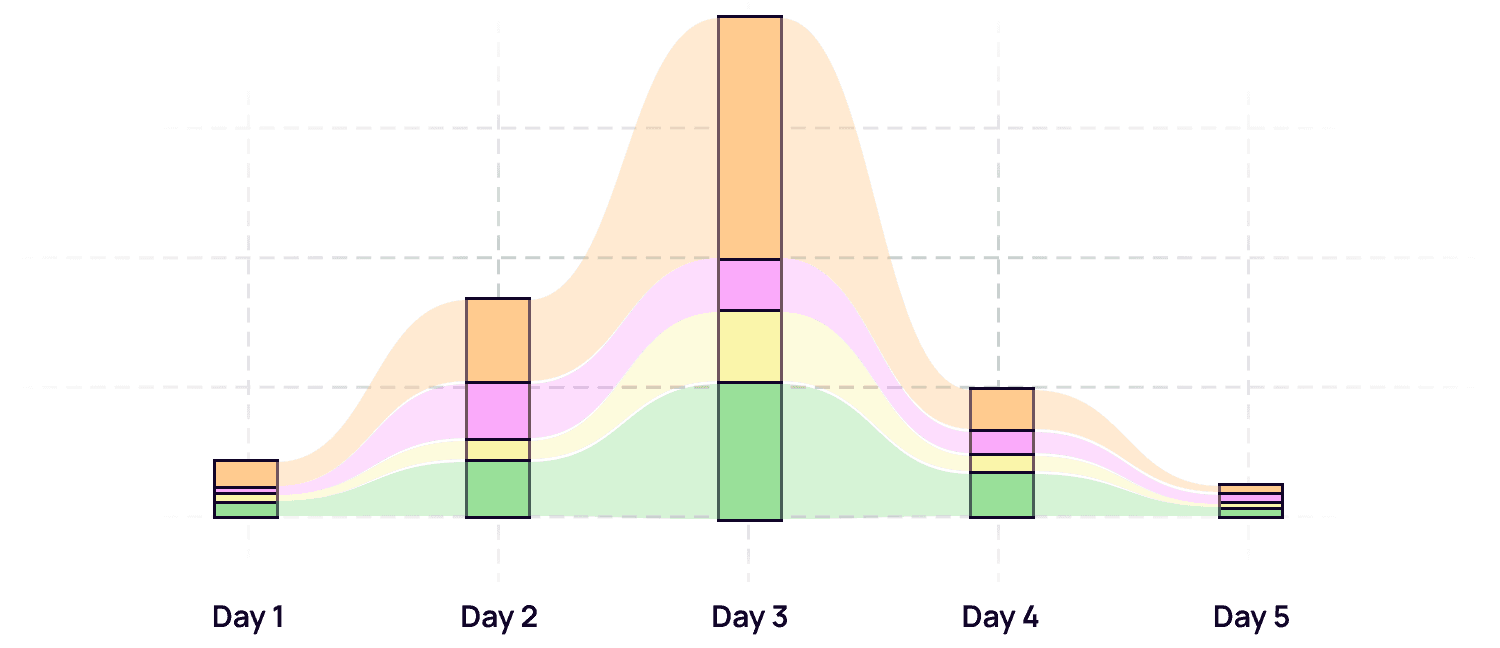
Longitudinal clone tracking
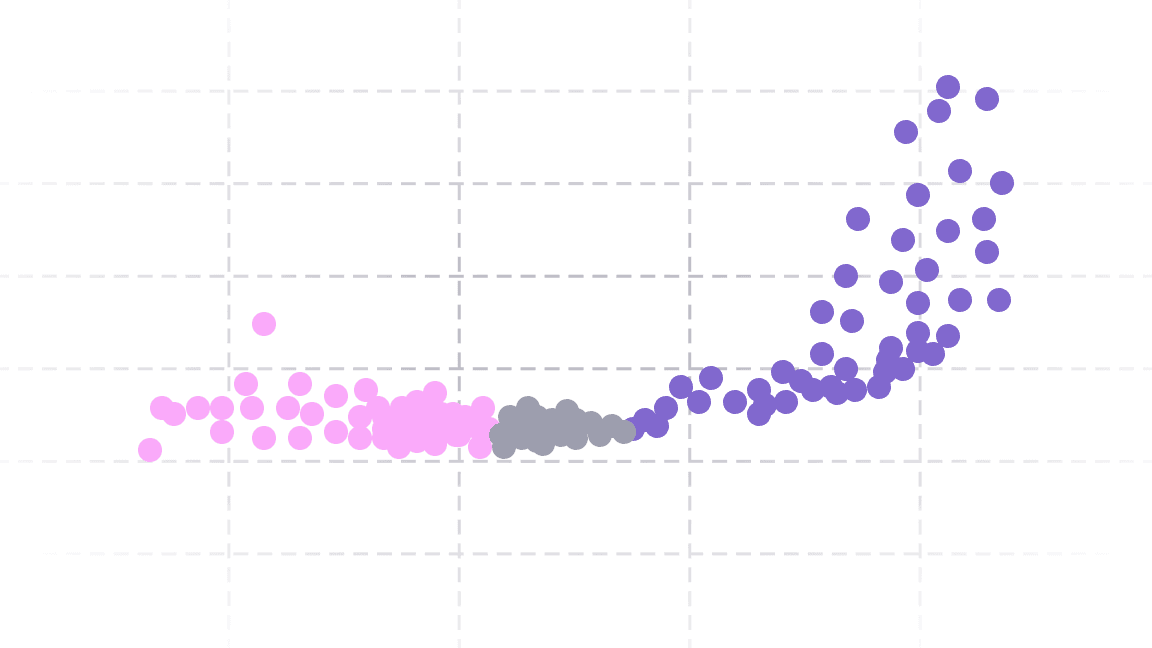
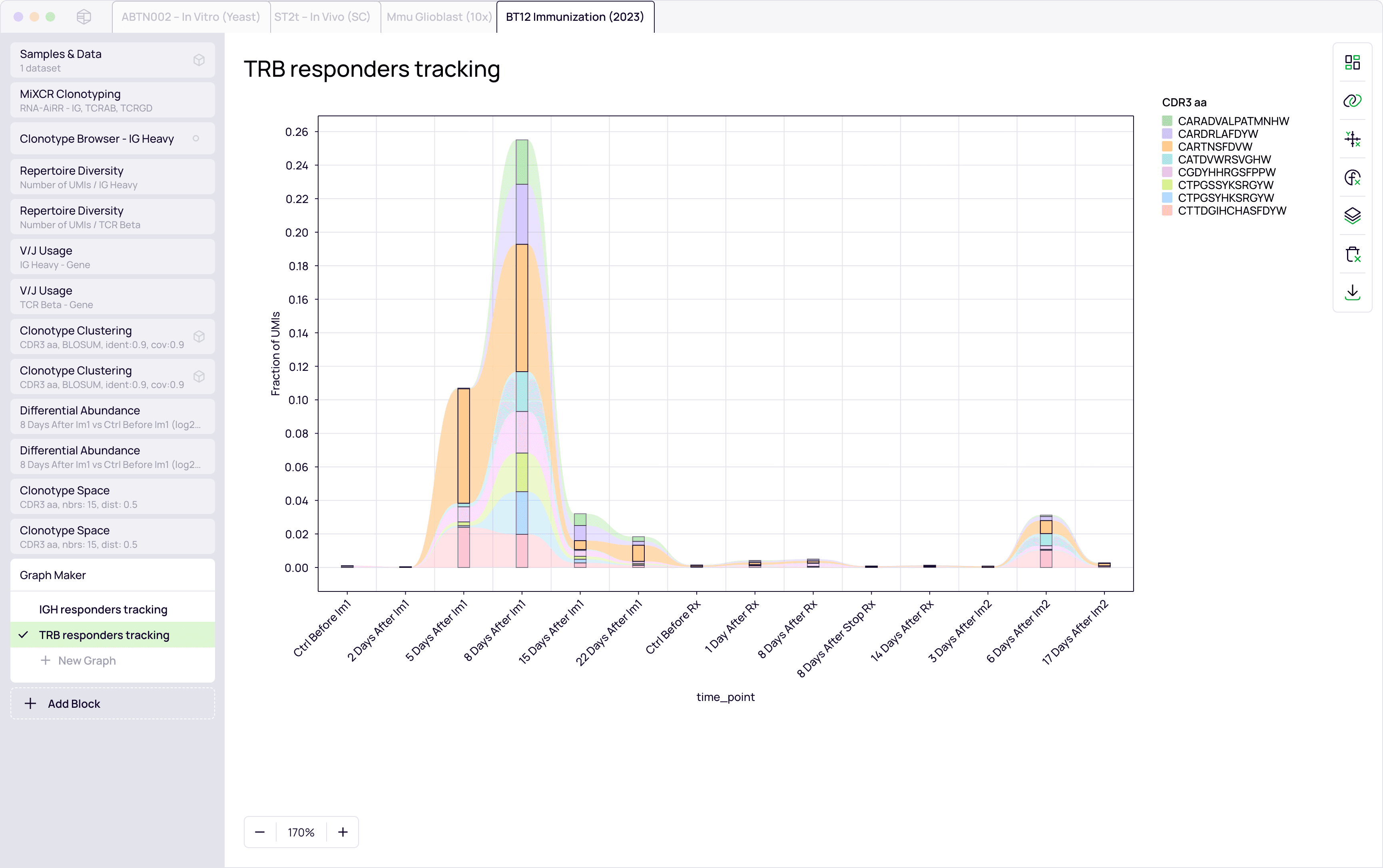
Monitor immune kinetics. Track specific T-cell or B-cell clonotypes across multiple clinical timepoints, treatment rounds, or tissues without manual data re-formatting.
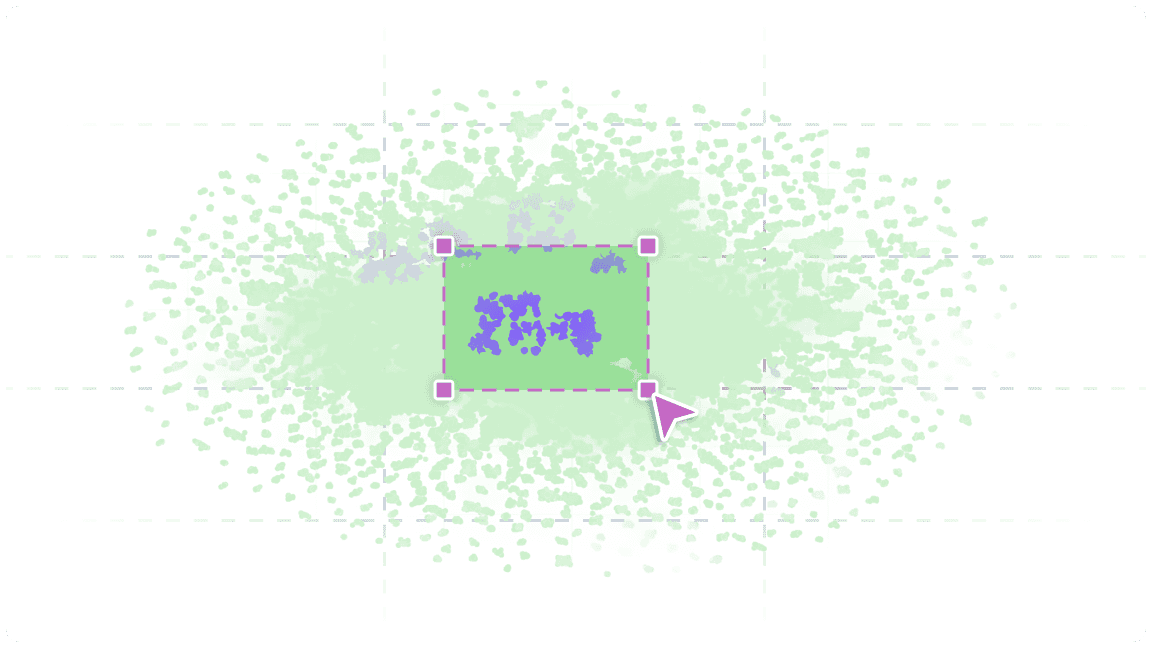
Repertoire clustering
Move beyond identical sequences. Group similar TCR/BCR clonotypes based on CDR3 similarity or full VDJ regions to identify functional convergent lineages and public motifs.
Statistical cohort comparison
Compare diversity metrics and clonotype abundances across patient groups. Automatically apply robust statistical tests (e.g., Kruskal-Wallis, Wilcoxon) directly against clinical metadata.
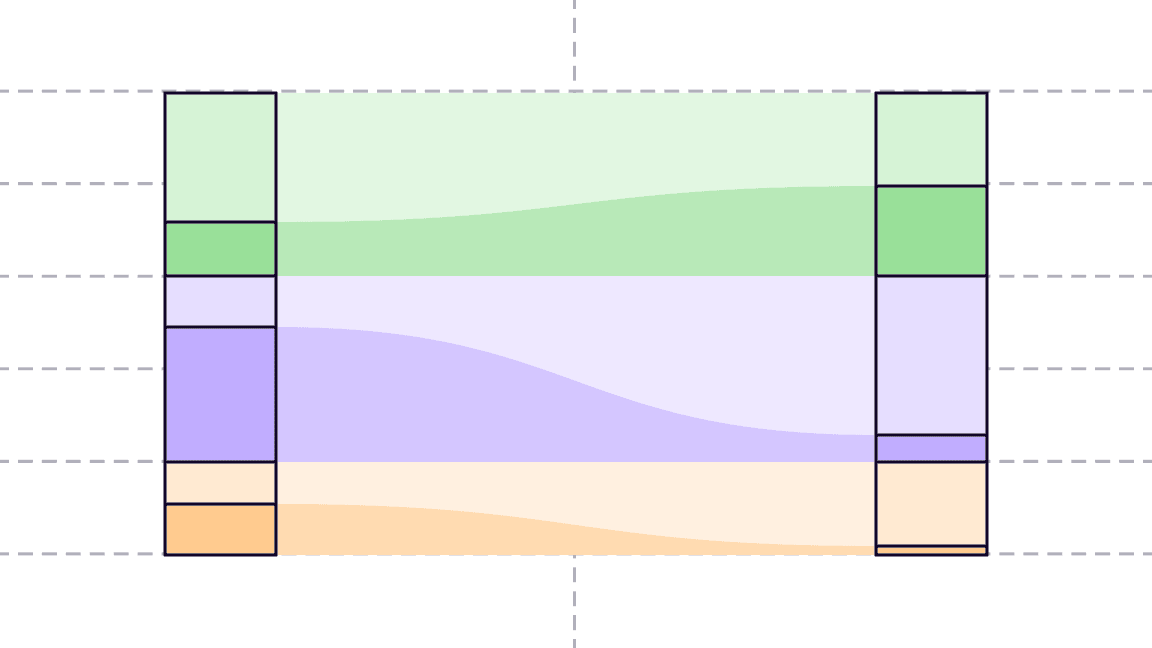
Functional data integration
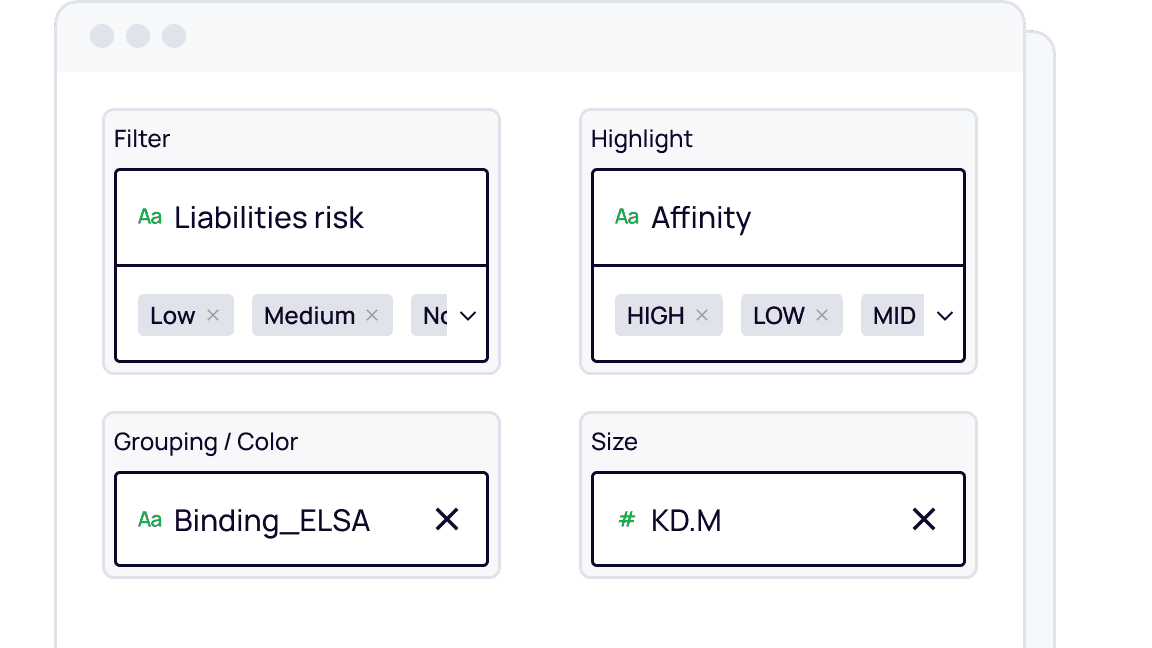
Bridge the gap between sequencing and function. Seamlessly import functional assay data and link experimental hit measurements directly to specific NGS clonotypes.
Reproducible workflows
Deploy governed pipelines built on transparent, open-source logic. Ensure complete data provenance by tracing every biomarker candidate seamlessly back to the raw FASTQ read.
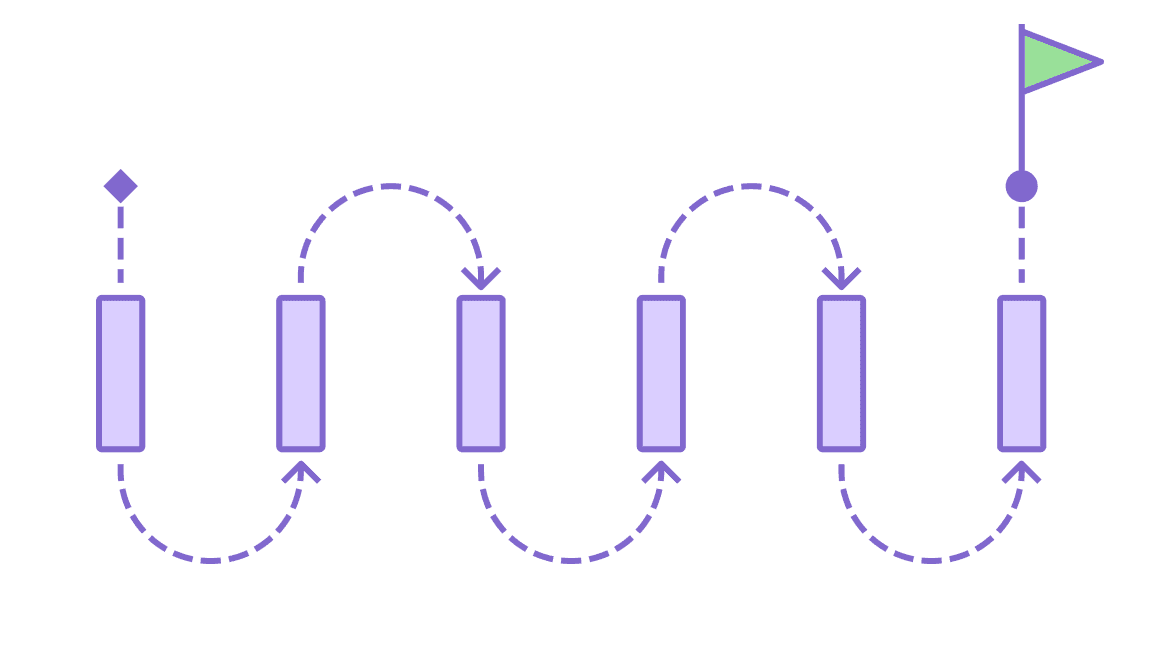
End-to-end workflow
Application Notes
Input data
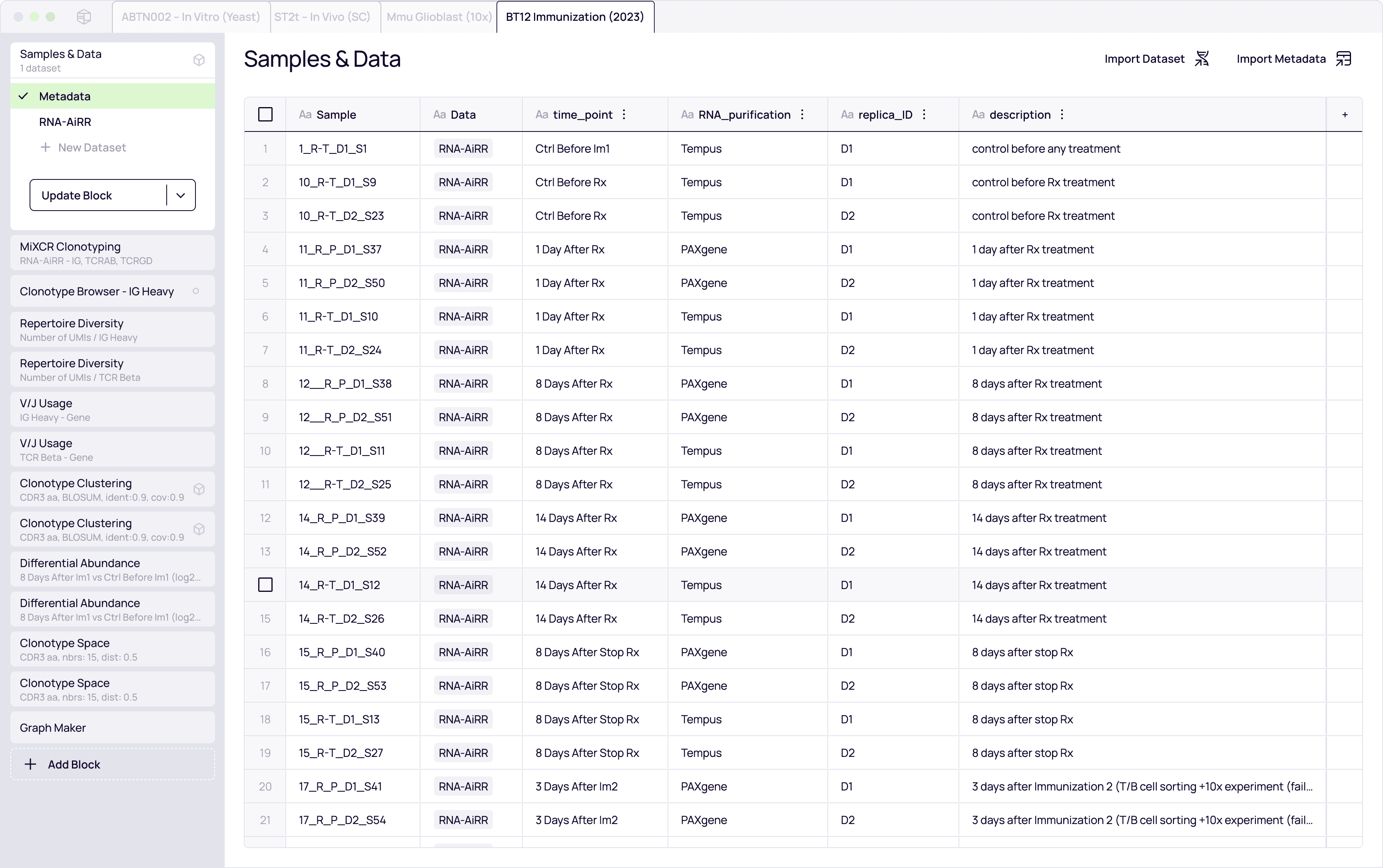
Import raw FASTQ reads or pre-processed VDJ datasets alongside critical clinical metadata.
Alignment & Clonotyping
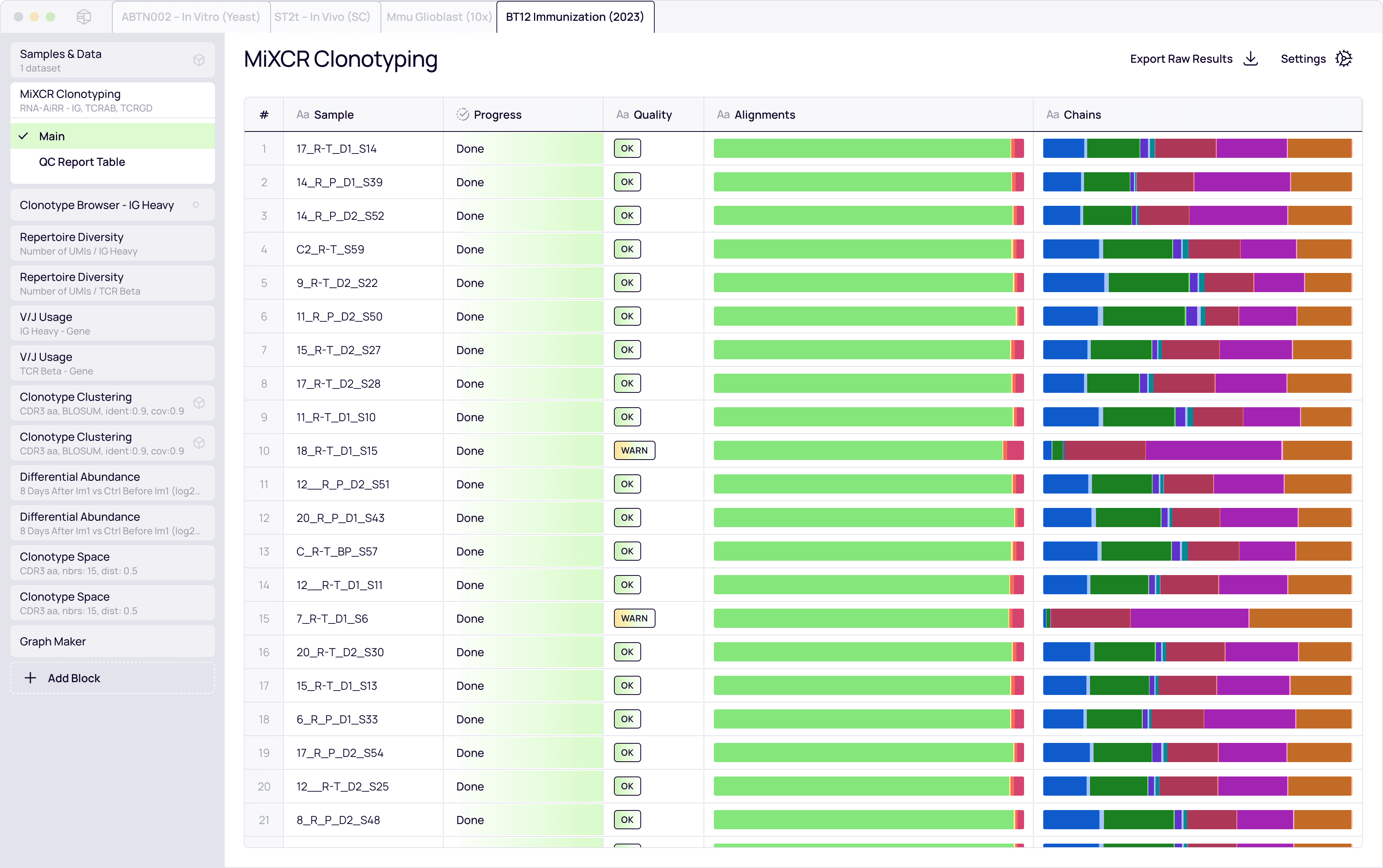
Utilize MiXCR to define TCR/BCR clonotypes, extract CDR3 sequences, and resolve hypermutations.
Repertoire Profiling
Calculate diversity indices, assess clonality, evaluate V/J gene usage, and normalize for varying sequencing depths.
Clustering & Tracking
Group functionally similar receptors and track their expansion longitudinally across clinical timepoints.
Biomarker Identification
Compare patient cohorts to identify enriched clones or structural motifs that predict disease progression or therapy response.